
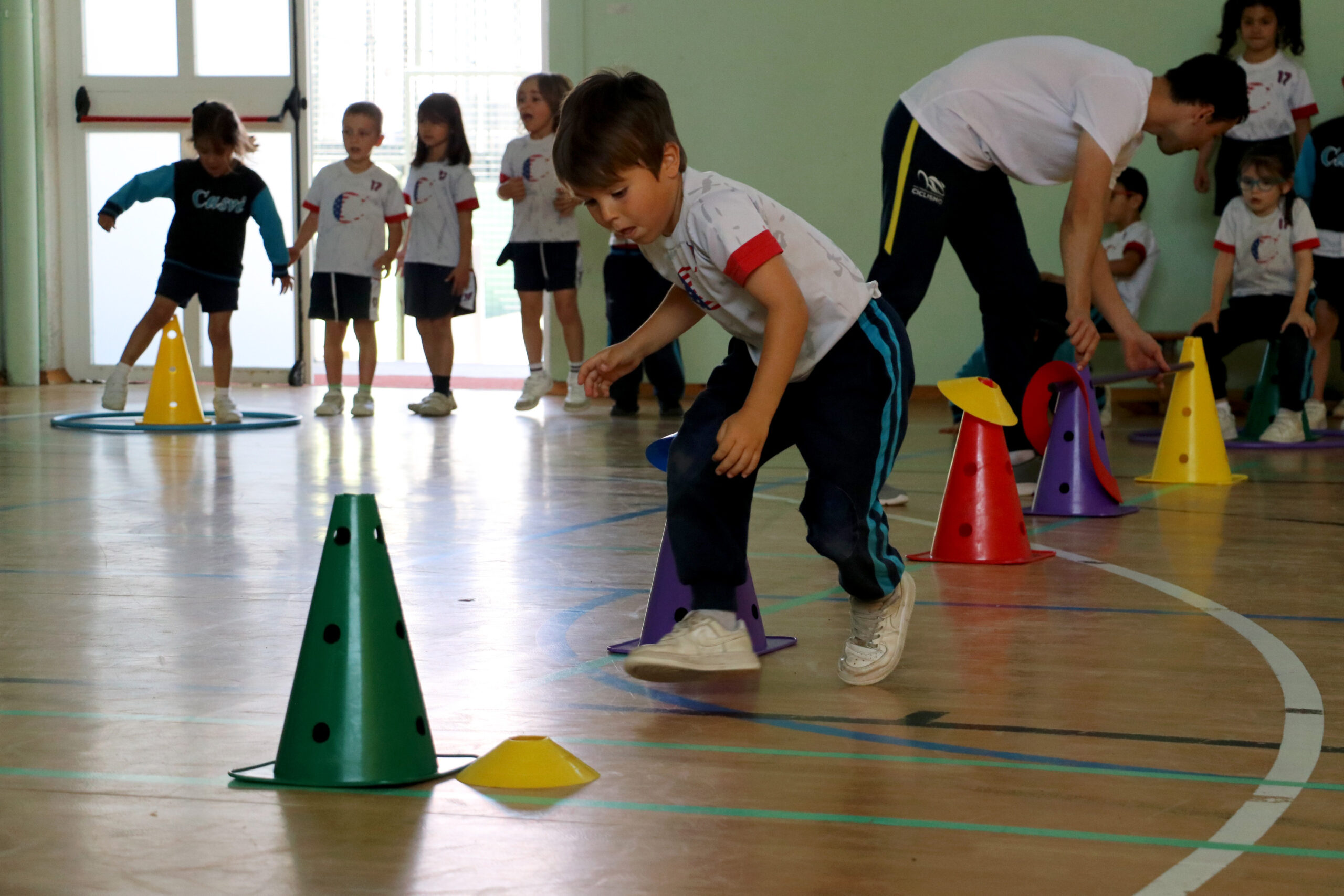
Gaining a detailed understanding of the relationship between children’s sports and their socialization is key to transforming playgrounds and sports fields into spaces for emotional growth and social cohesion.
Digital disconnection and loneliness in the age of screens
The progressive digitization of leisure and sedentary lifestyles has transformed the way in which children interact. This leads to the fact that many children have problems or difficulties when it comes to communicating face to face or managing frustration in group dynamics within a group, losing sportsmanship among children, and healthy relationships.
Building relationships is a skill that has greatly diminished in recent years due to a lack of direct socialization. However, children attend after-school activities and interact with classmates at school. What else can be done in this regard?
How can we socialize more starting from an early age?
The relationship between physical activity and psychosocial development has been the focus of several studies, such as The Relationship Between Social Integration and Physical Activity, Diet, and Sleep Among Youths (JMIR Pediatrics and Parenting, 2022). This study finds an association between higher levels of social integration and healthy lifestyles, including physical activity. The authors conclude that young people with stronger social connections tend to engage more in physical activity and that these two dimensions reinforce each other.
Recent scientific evidence suggests that regular participation in organized sports provides children with opportunities to practice skills such as communication, cooperation, shared decision-making, and taking on responsibilities.
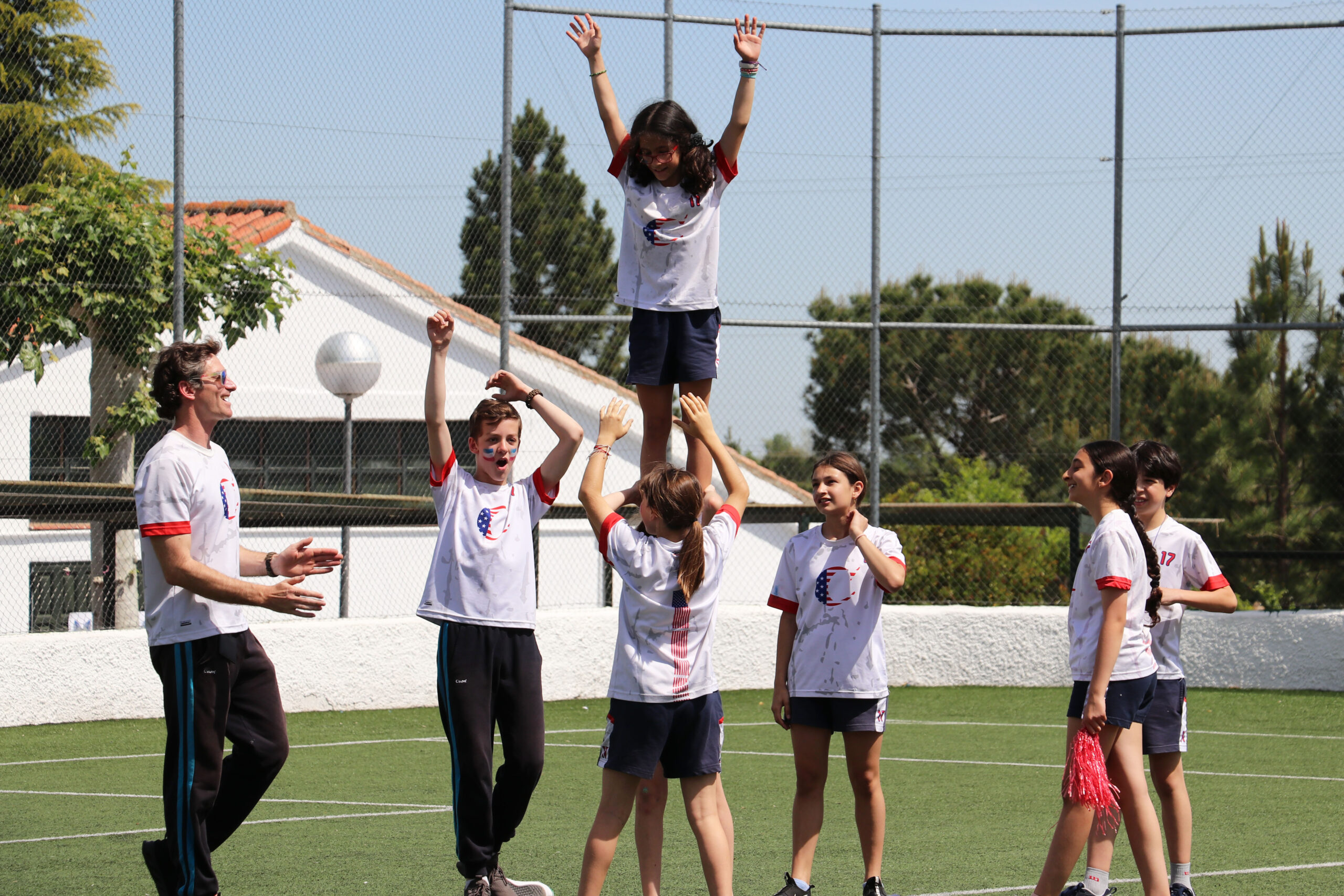
Playing sports involves communicating under pressure, coordinating efforts, and taking on roles within a group—skills that are essential for everyday life. As Álvaro López, our Physical Education teacher at Casvi, explains in detail, the most important social benefits of these disciplines are “learning teamwork, since in most sports, cooperation among all members is necessary to achieve the goal. In addition, they encourage the assumption of roles, since each player performs different functions, all of which are necessary for the group’s success”.
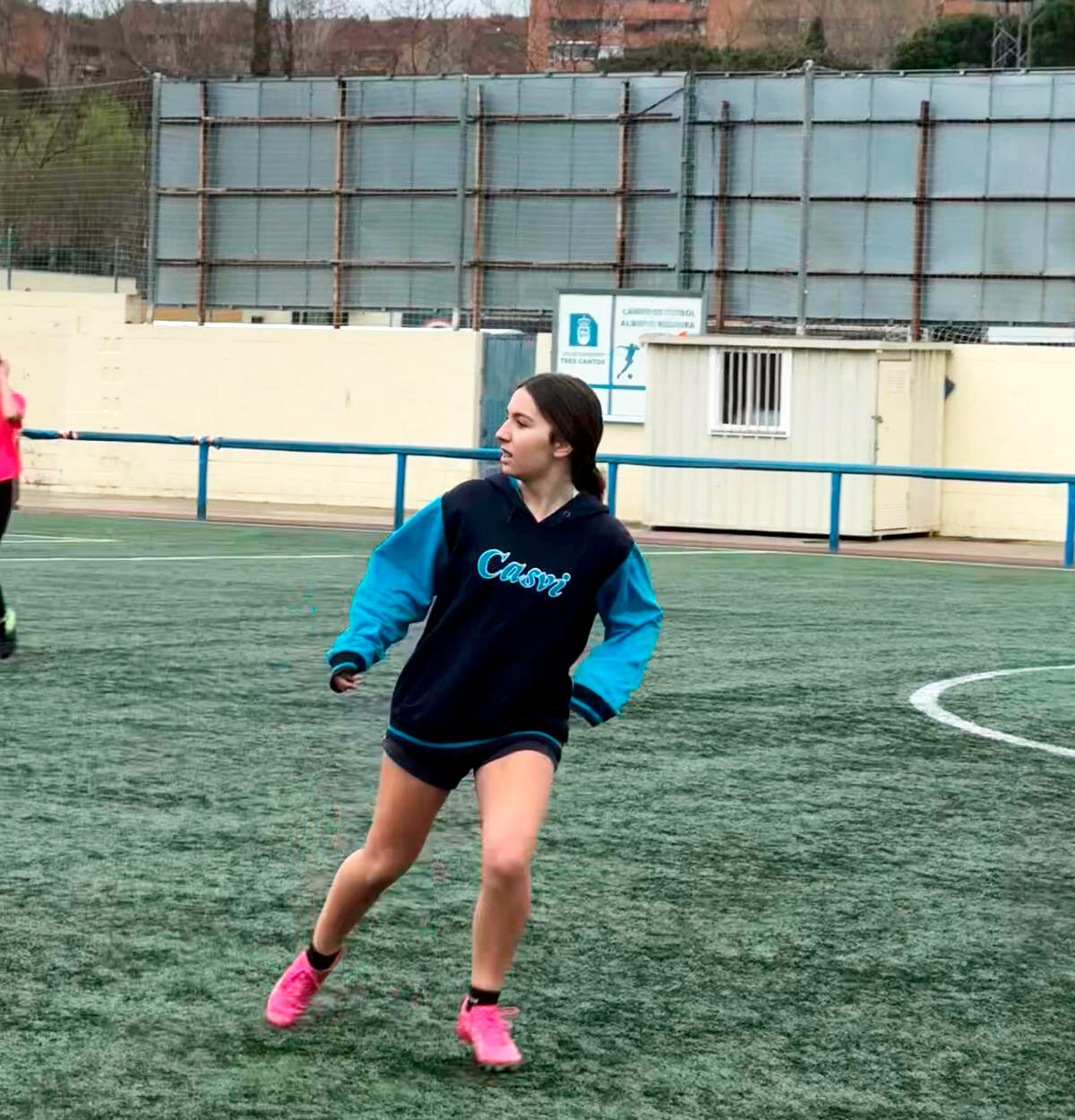
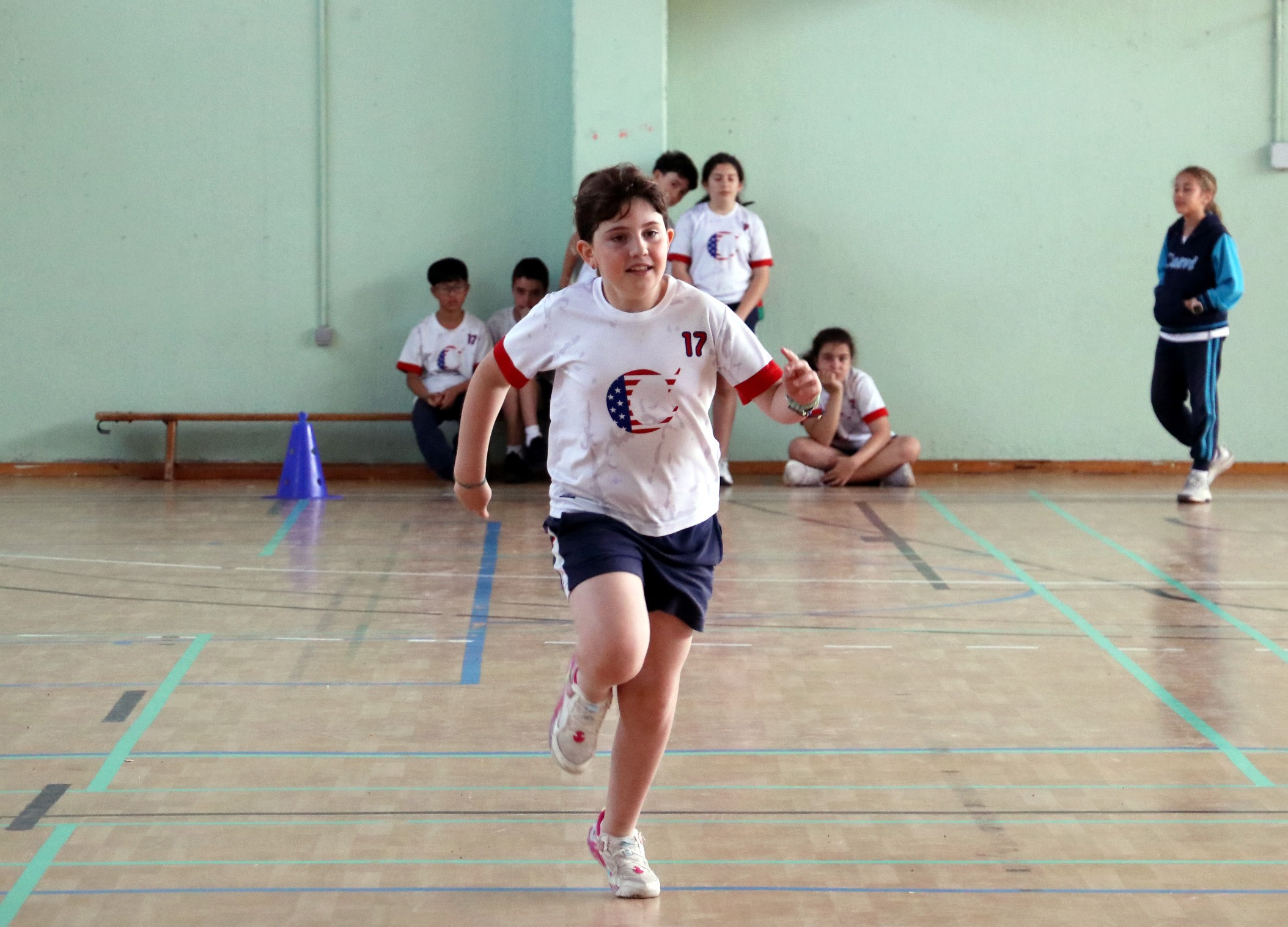
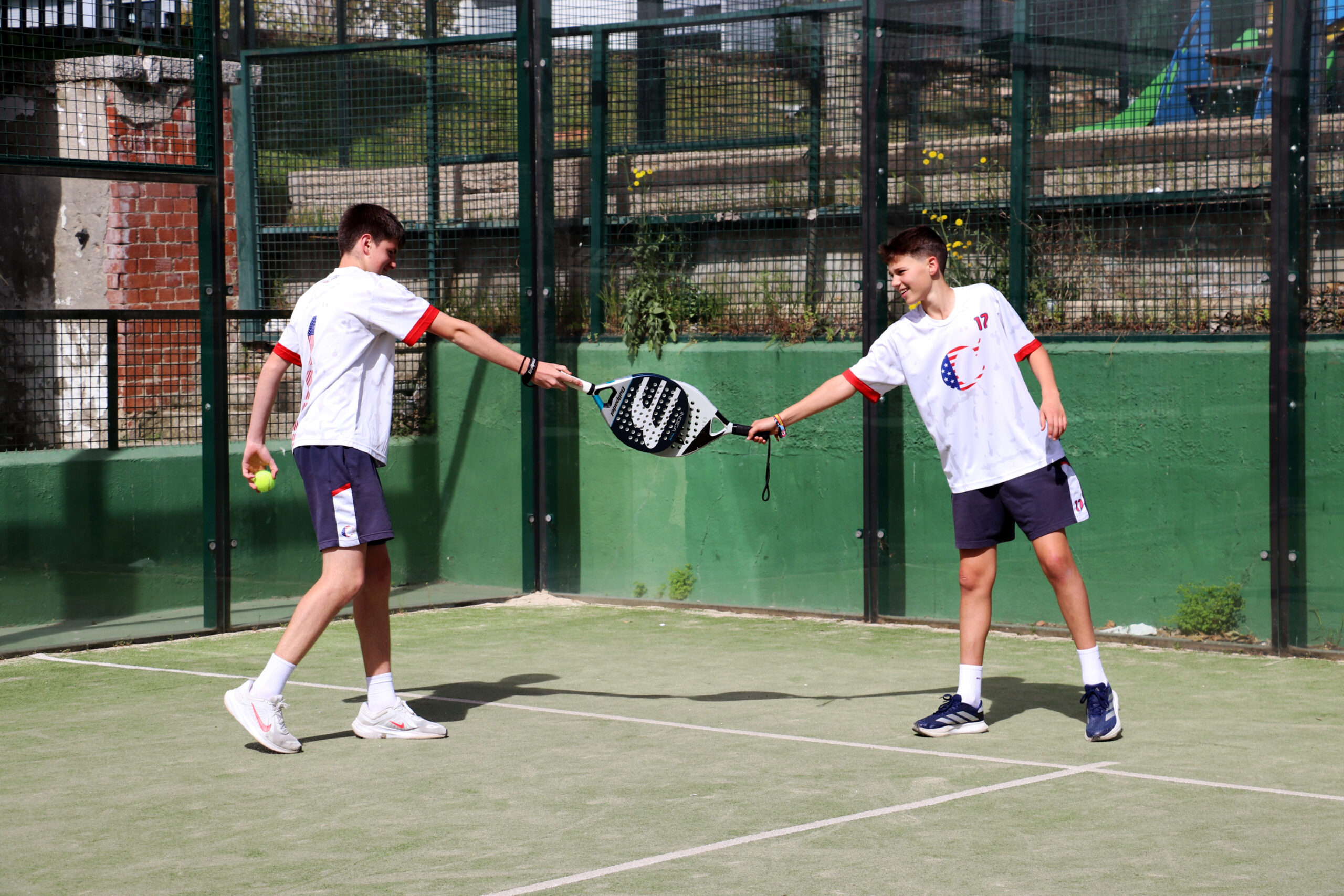
Spaces designed for gathering and holistic well-being
Socialization requires an environment that fosters it. Sports centers that offer activities or gatherings for children and adolescents provide opportunities for them to invent new games or take on roles they haven’t tried before. Furthermore, in these group activities, communication skills are developed, and leadership emerges in some children. Thanks to sports, this leadership can be channeled in a positive direction, promoting values such as responsibility, cooperation, and respect for others”, as Mr. Álvaro adds.
Our campus in Tres Cantos is located near the Sierra de Madrid, so we have spacious, dedicated areas where students are in close contact with nature and participate in sports starting at age 3 within the framework of the International Baccalaureate (IB).
In these spaces, creative freedom and guided play allow the students to relieve academic stress, improve their emotional well-being, and develop soft skills (soft skills) essential for their future—both personal and professional.