
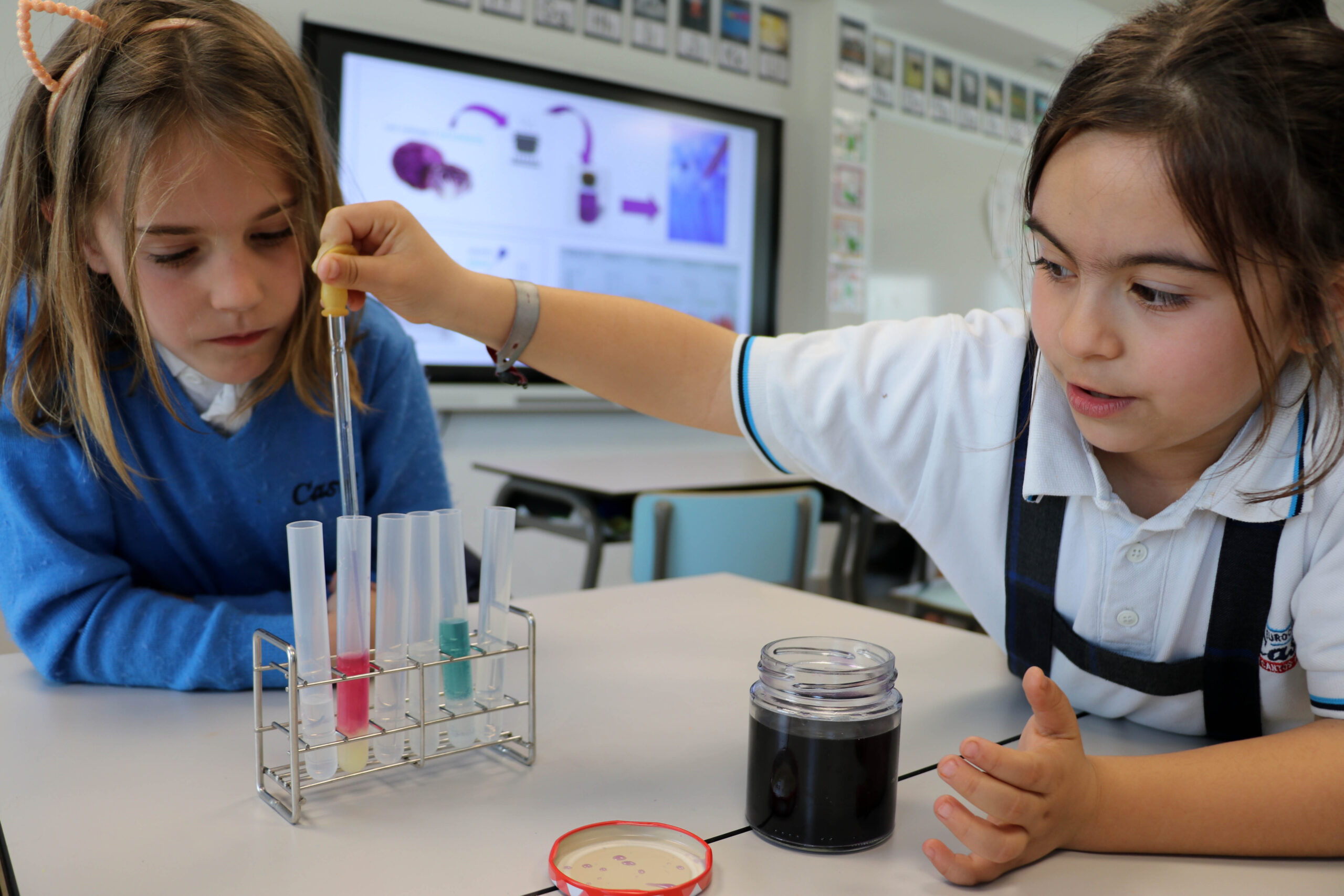
The history of science is full of women whose achievements remained invisible for decades. Giving them visibility inspires vocations and improves diversity in STEM, a field in which women remain a minority. In this article, we explore the vital role of women scientists as role models and how Women’s Day can inspire future women scientists.
Without role models, vocations decline
For years, manuals and scientific chronicles left out many female researchers: their articles were not signed or their names were relegated to footnotes. This has led to girls finding fewer female role models in science.
Data from UNESCO (2024) confirm that only one in three researchers worldwide are women. The underrepresentation of women in science reflects the persistent barriers and gender inequalities they face in pursuing scientific careers.
Invisibility limits innovation
The lack of role models reduces girl’sexpectation of success in STEM (Science, Technology, Engineering, and Mathematics). Therefore, it is important for girls to meet women who are role models in the scientific field. Learning about their successes encourages them to pursue scientific careers in the future, if that is what they want.
The aforementioned research shows that exposure to female scientists or researchers and identification with them increases their interest in the field.
Great women scientists of our era
Women have played a crucial role in the history of science, and thanks to these role models, more female researchers have made a name for themselves. In STEM disciplines, we can find inspiring and recent figures such as Katherine Johnson, Katie Bouman, and Margarita Salas.
Katherine Johnson
Katie Bouman
Margaritas Salas
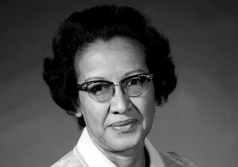

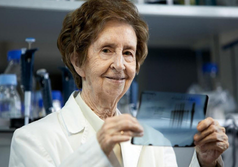
Mathematician at NASA and pioneer in space missions
She made possible the first image of a black hole
Spanish biochemistry that revolutionized molecular genetics
Her calculations of orbital trajectories were crucial to the Mercury project, the first crewed missions, and Apollo 11. Her manual calculations were critical to the success of the first human space flights.
Johnson paved the way in a context of gender and racial discrimination, being recognized as one of the best mathematicians of her generation.
She led the development of the image reconstruction algorithm that inspired the acquisition procedures for the first real photograph of a black hole, a global scientific milestone.
This achievement in science shows new generations that computing, creativity, creativity and science can coexist in one same vocation.
A researcher at the CSIC and disciple of Severo Ochoa, Margarita Salas discovered the characterization of the DNA polymerase of Phage Φ29, which is now essential in genetics, medicine, and biotechnology laboratories around the world.
Her combination of rigor, curiosity, and innovative spirit made her one of the most cited Spanish scientists and a tireless advocate for women’s participation in research.
Challenges for Women Scientists
Women scientists often face gender discrimination and bias in male-dominated fields. In addition, balancing work responsibilities with family obligations can raise significant challenges. However, this is increasingly changing thanks to the new generations and all the achievements made in equality during the last decades.
Moreover, it is essential to recognize and celebrate the achievements of women scientists at all levels. This includes highlighting their contributions in conferences, academic publications, and the media. Also, to provide awards and recognitions that value their work and impact on society.
The Impact on Science Education
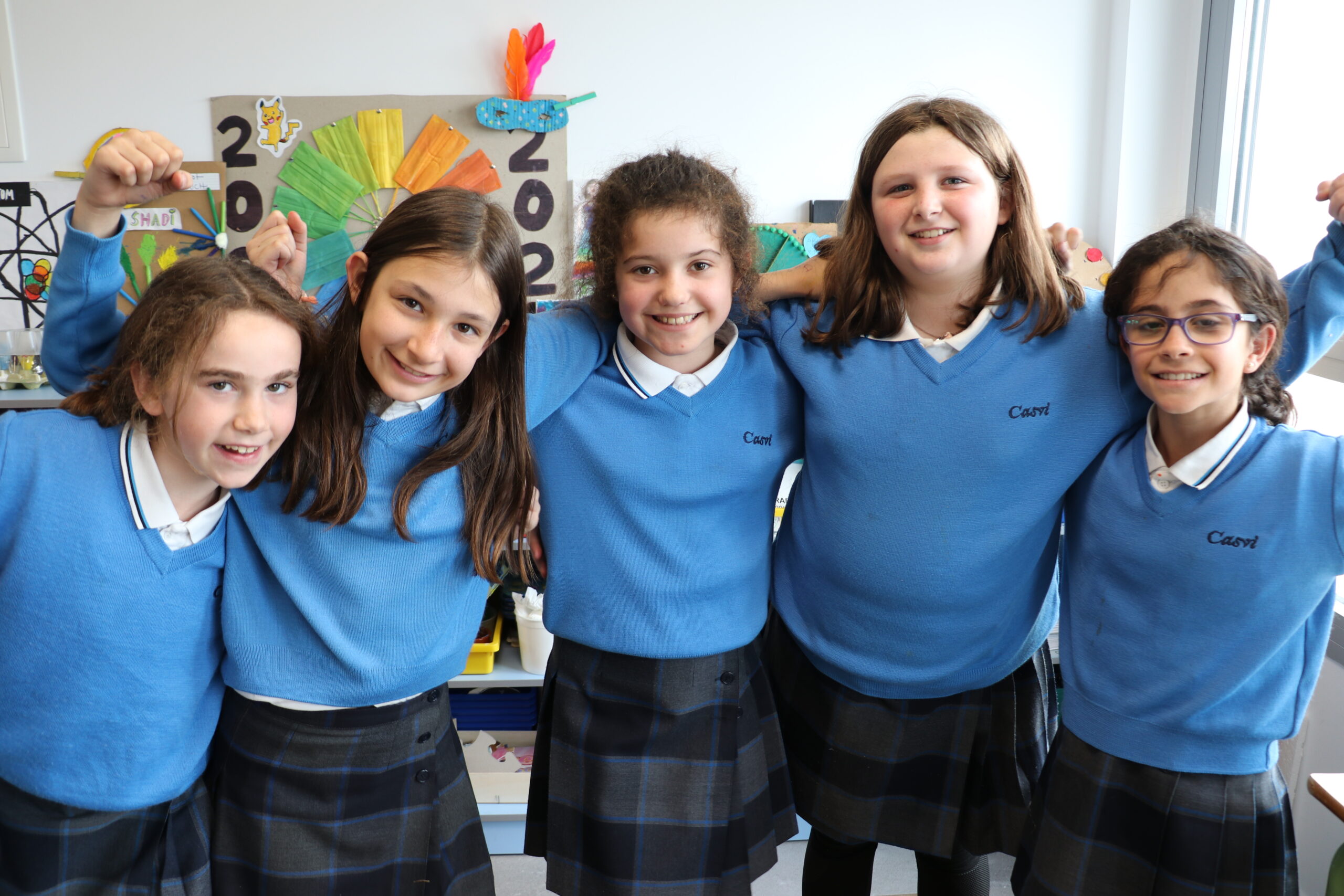
At Casvi International American School, we recognize the importance of providing female role models in science education. By exposing our students to the stories of successful women scientists, we show them that they too can achieve great things in fields such as biology, physics, computer science and engineering.
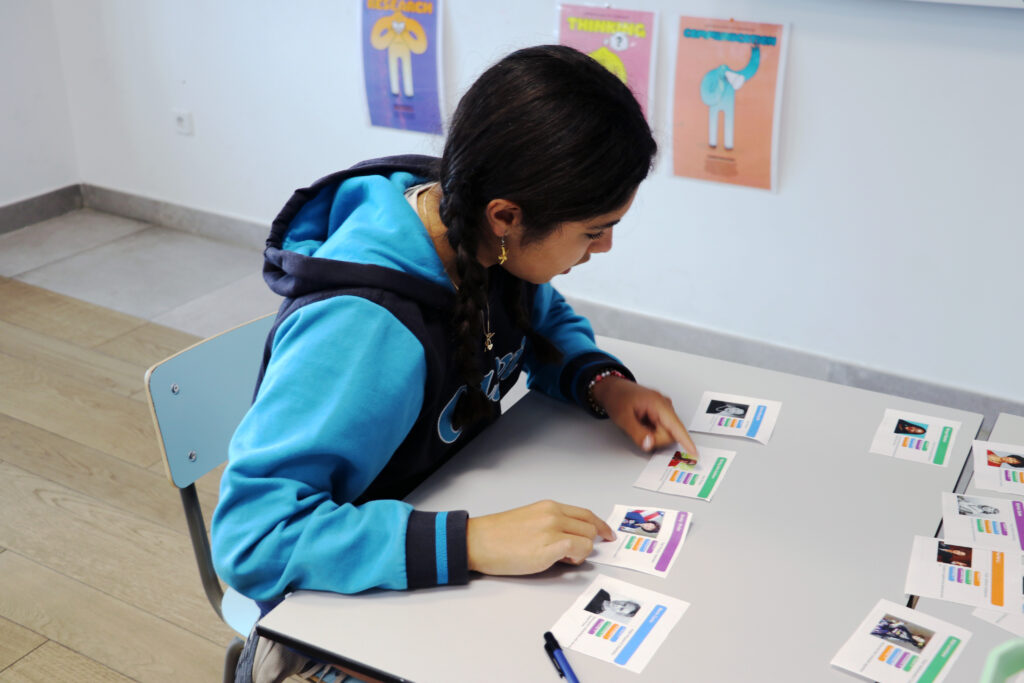
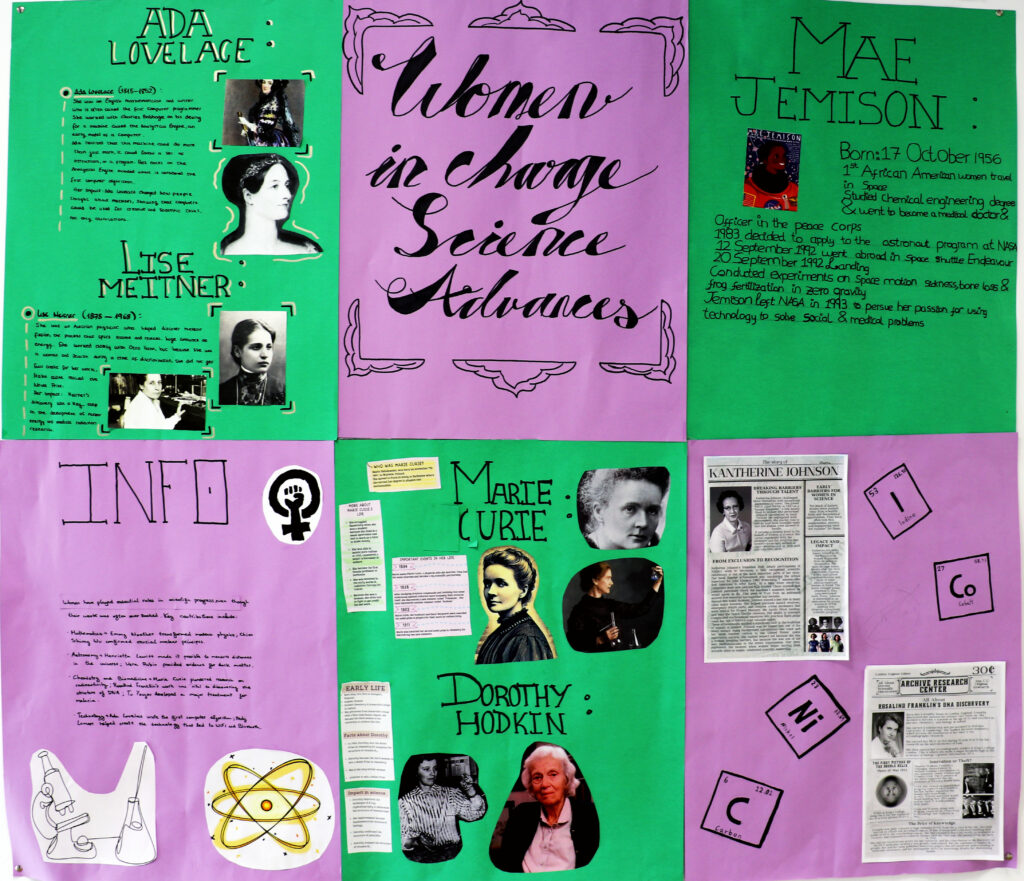
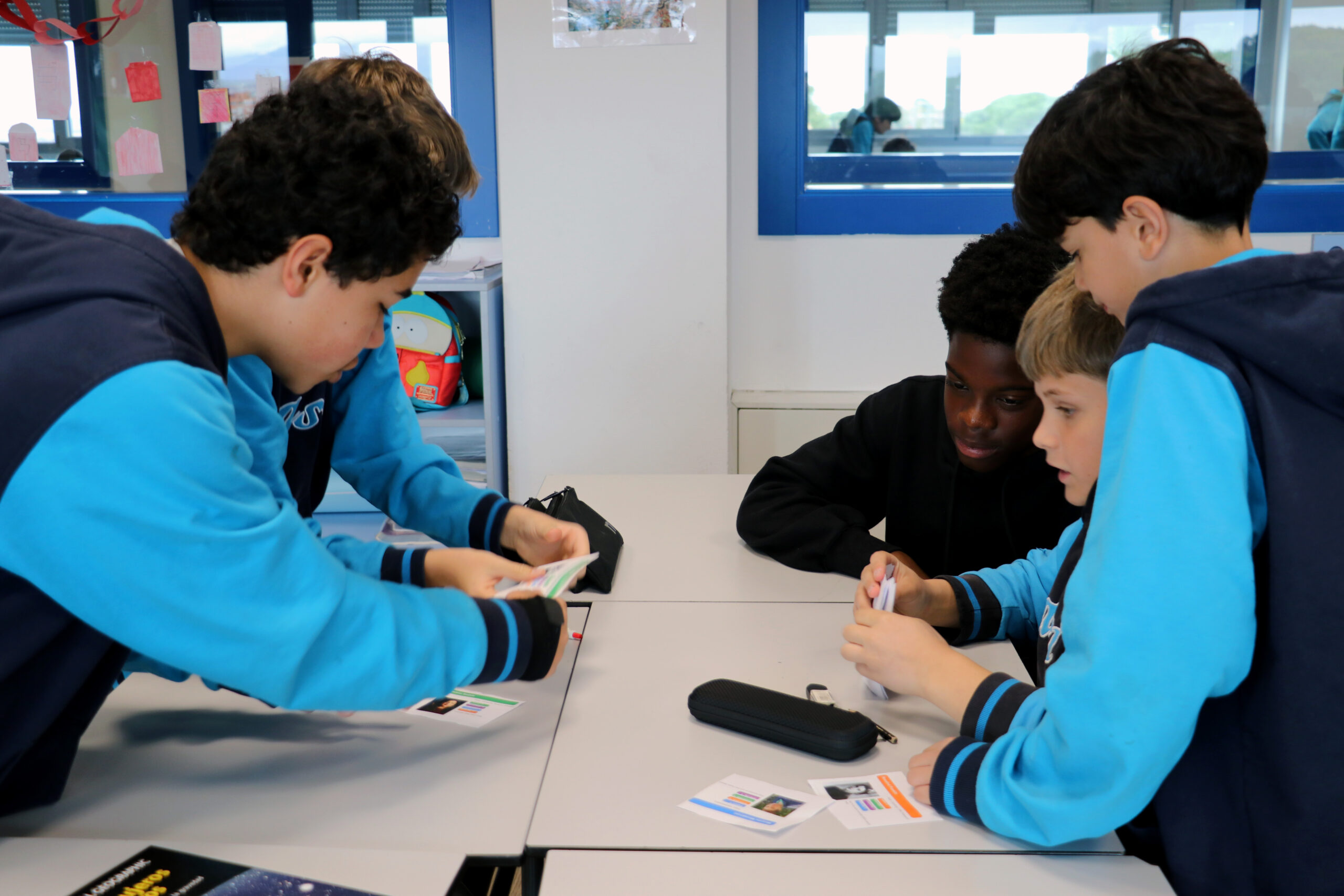
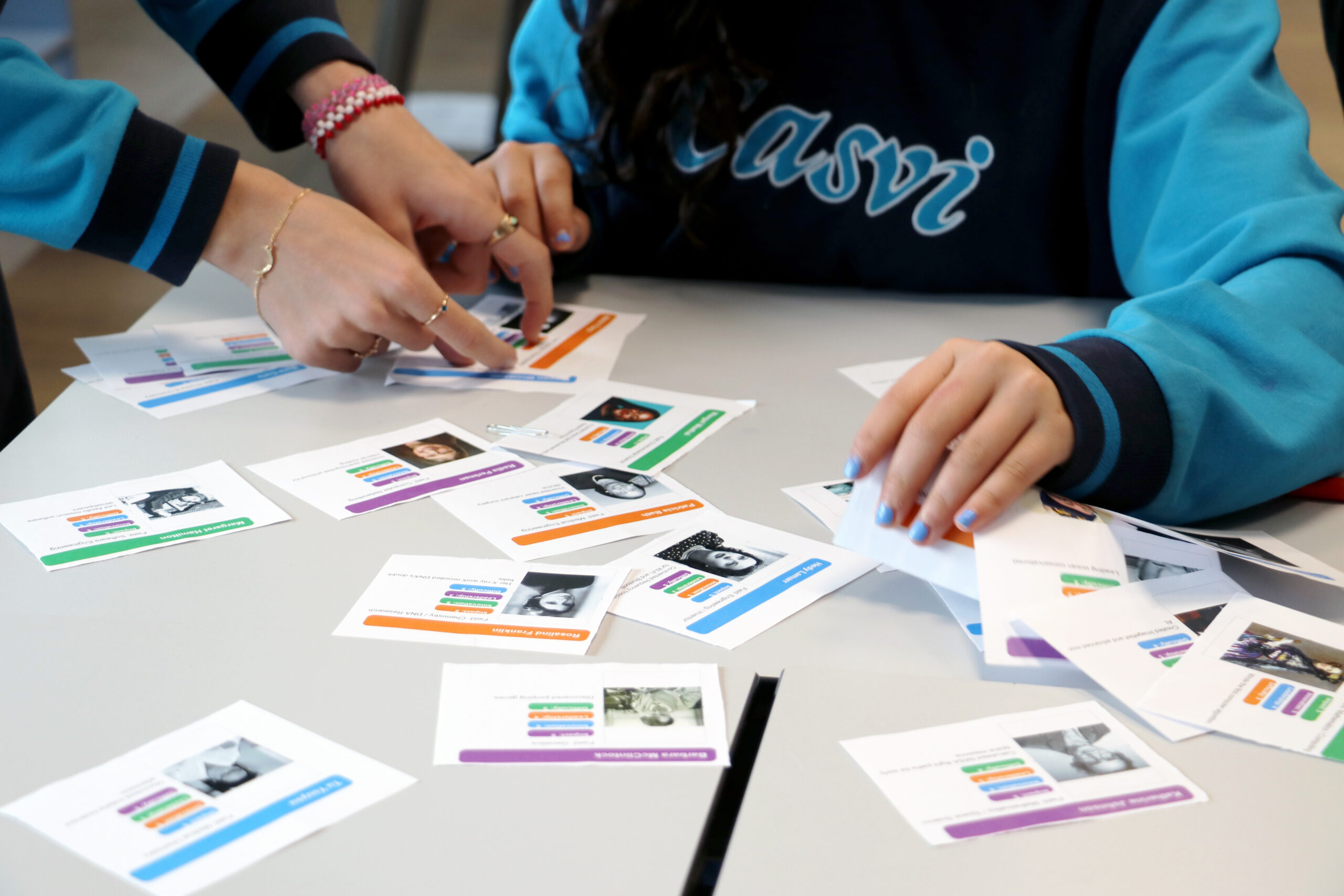
It is crucial to inspire both boys and girls to study science careers from a young age. However, we are committed to promoting the participation of girls in careers in science in order to promote diversity and innovation in these fields. We integrate the figures of women scientistsresearch that connects science and history. The students prepare murals to highlight the roles of female researchers.
In our school, we receive visits from different male and female professionals to inspire our students. Professionals related to art, literature, science, security or sports visit our classrooms to showcase their respective careers. These experts advise students, provide information and, above all, inspire them. In addition, our Guidance Department always tries to help students in their academic and professional choices.
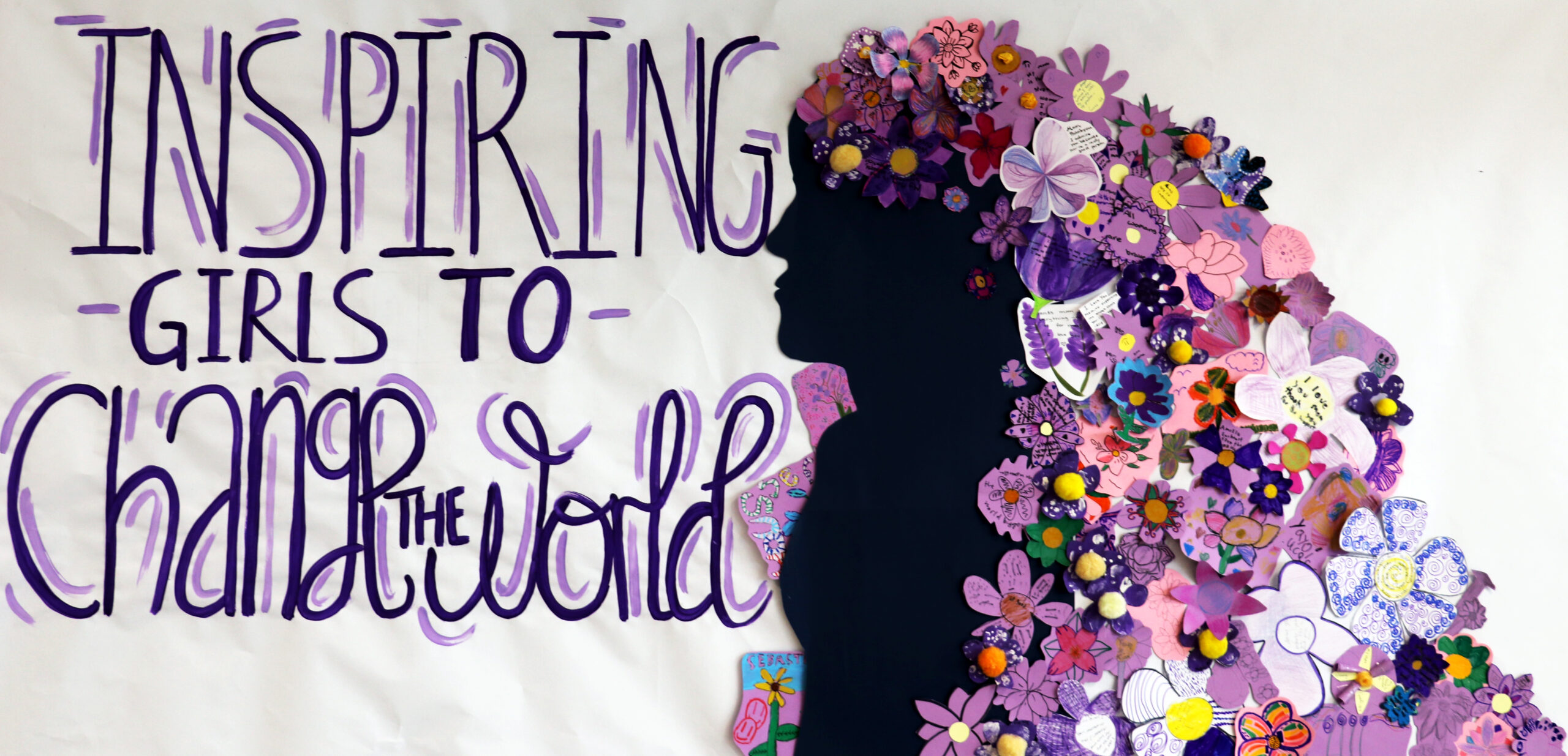
Women’s Day is an opportunity to celebrate the achievements of women in all areas of life, including science. At Casvi International American School, we take advantage of this date to highlight the achievements of women scientists and encourage the empowerment of our students.
Frequently Asked Questions
Which female scientists changed the world?
In addition to Marie Curie, other notable figures include Katherine Johnson (orbital calculations at NASA), Donna Strickland (ultrashort lasers), and May-Britt Moser (brain navigation maps). But there are many other figures.
Which female scientists were not recognized in their time?
Numerous female researchers suffered invisibility, but they include mathematicians and physicists whose credit came late, such as Rosalind Franklin or Lise Meitner. For this reason, it is very important correcting the narrative and highlighting role models.
Why are we talking about "hidden women scientists"?
Because their contributions were omitted or poorly publicized, which affects social perception and the motivation of future generations.
How can a school in Spain encourage girls to pursue careers in science?
Showing role models, working on projects, and using thinking routines in all subjects. In addition, promoting activities with guest scientists or assessments based on the work of female researchers.
How can we support women scientists?
Supporting women scientists involves creating work environments that are inclusive and free of gender bias and providing opportunities for mentoring. We must encourage girls to learn about STEM education and highlight the achievements of women scientists.