
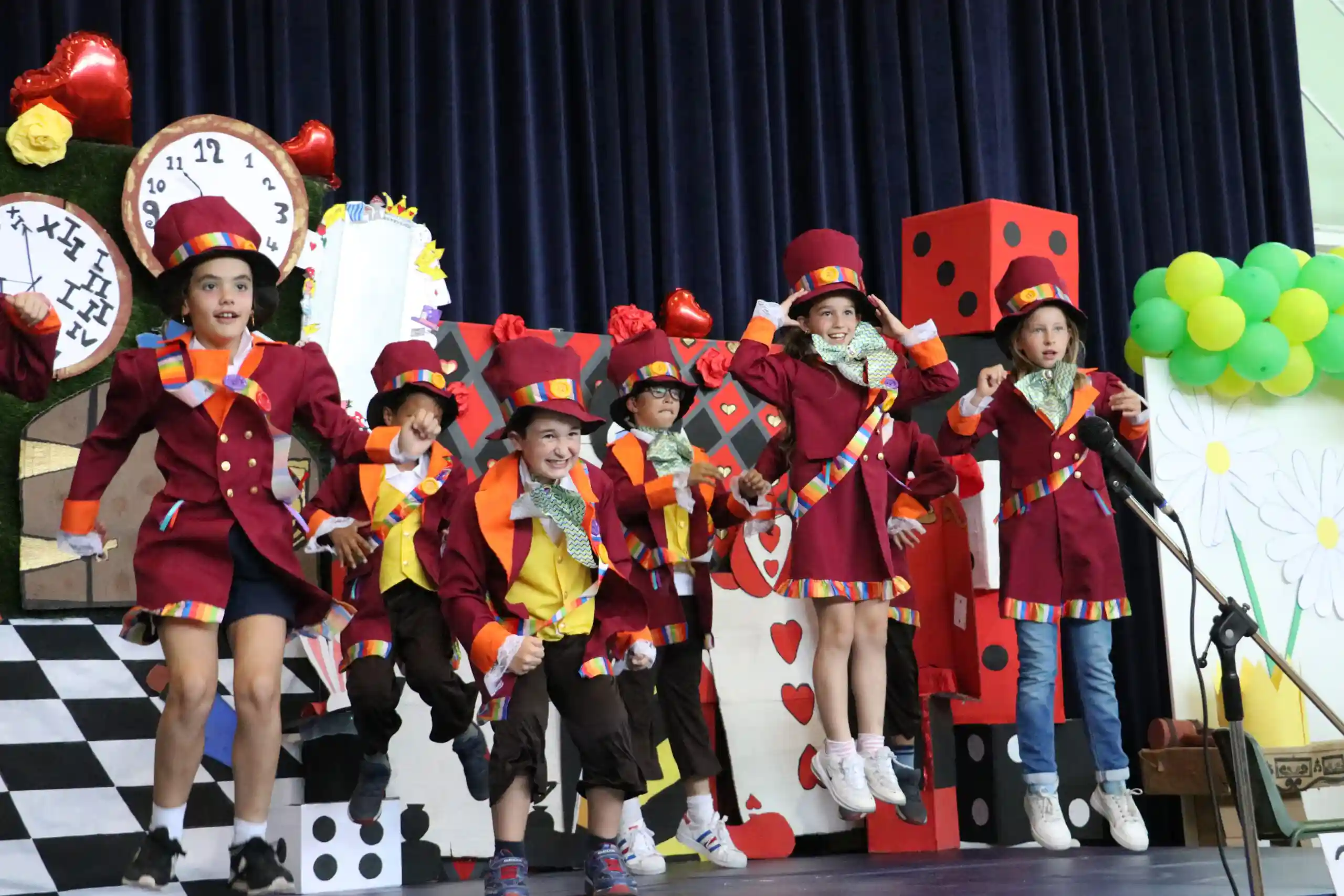
Dance as a Driver of Creativity
We tend to think of dance as simply art and movement, but what we often overlook is that it’s a powerful tool for developing creativity, especially during childhood and adolescence. Studies such as The impact of dance on creativity, published in the Journal of Dance Medicine & Science, suggest that practicing dance stimulates the ability to imagine, create and solve problems from a more artistic, physical, and emotional perspective.
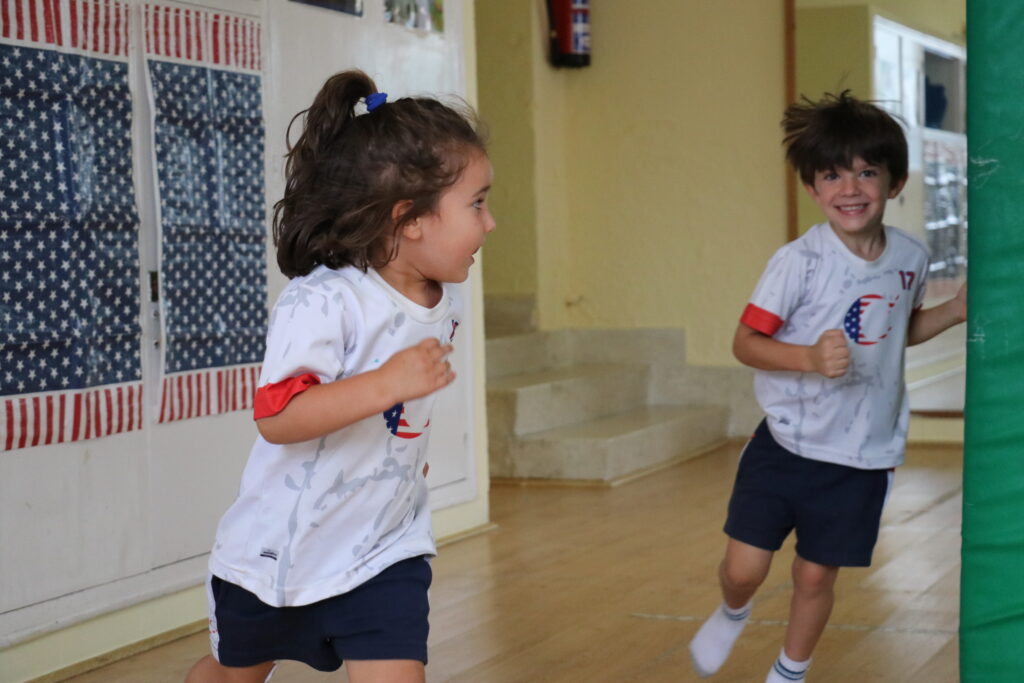
Creating With the Body: Improvising and Deciding
Dance is one of the most comprehensive artistic expressions for nurturing creativity because it requires transforming thoughts, feelings, or narratives into movement. It’s not just about repeating steps; it’s also about making constant decisions: how to use space, how intensely to perform each gesture, and how to connect with others and with the music.
For example, improvisation requires quick thinking and a strong mind–body connection in order to react to stimuli in real time. Even creating a simple piece of choreography involves coming up with an idea, organizing movements, and establishing a beginning and an end while maintaining a sense of coherence. It’s like writing a short story, but using your body instead of words.
Identity, Confidence, and Personal Expression
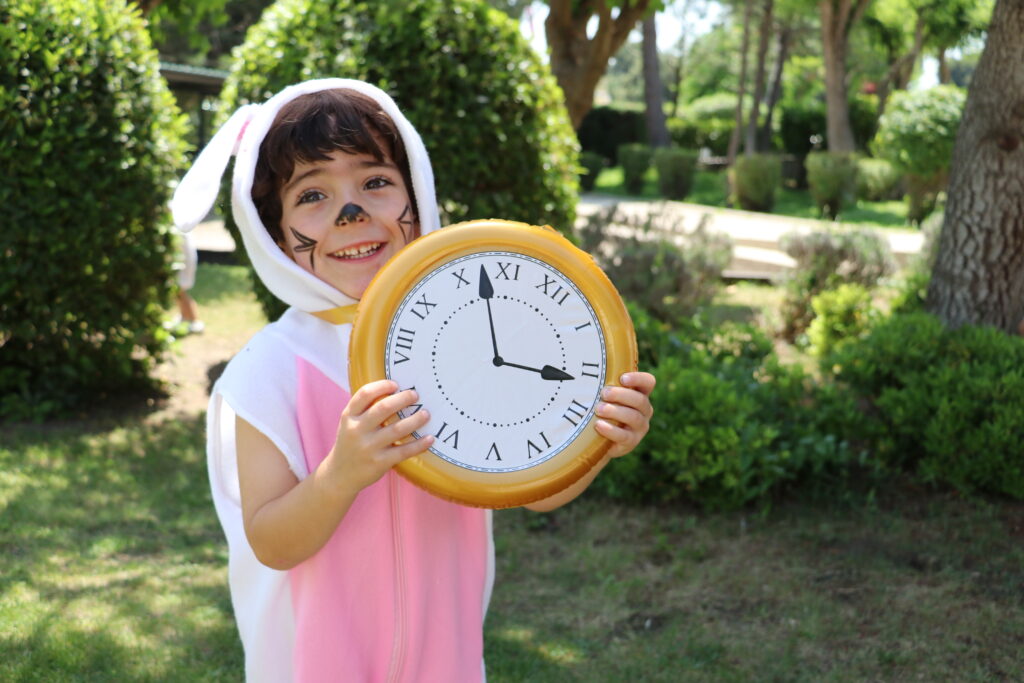
Dance also helps individuals discover their “creative voice”. Every body moves and perceives music differently, and it’s precisely these differences that give the experience its true value.
In a safe environment, participants can experiment without fear of judgment, discover that they are capable of performing dance steps they didn’t know they could, or transform their emotions into jumps, turns, or gestures. All of this strengthens self-concept and fosters the perception of “I can create something of my own,” which extends to other areas such as work, school, and everyday problem-solving.
A Source of Benefits
According to a research study conducted in 2024 by the Universidad Iberoamericana Puebla, entitled “The creative process in dance as a factor in human development”, the practice of creative dance promotes individual growth, self-confidence, and the ability to find unique solutions to diverse circumstances. Through interviews and practical experiences with dancers, the study concludes that physical creation and research not only perfect technique, but also stimulate flexible thinking, imagination, and introspection.
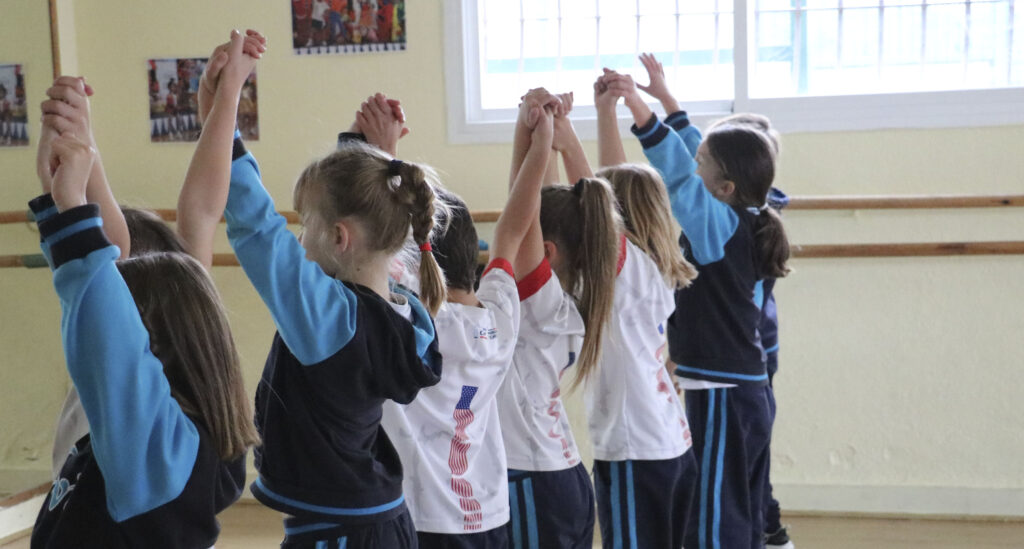
Our Teaching Methodology
Integrating dance into educational initiatives is not merely a physical or aesthetic matter. Dancing creates a space for exploration, play, and creativity, where essential skills are developed.
That’s why, at Casvi International American School, our students start in Early Childhood with courses in body expression. As they progress, they continue their training with dance classes taught by a specialized teacher, where they develop rhythm and expression through various choreographies and movements. Additionally, they have the opportunity to showcase what they’ve learned in school events, such as the Spring Festival, turning the process into a fully artistic experience.
For more information about our methodology, visit our website or contact us.
Frequently Asked Questions
What are the main benefits of dance?
Dance promotes individual growth as well as self-confidence. It also stimulates flexible thinking, imagination, and introspection.
Why does dance help train creativity?
Dance is one of the most comprehensive artistic expressions for training creativity, as it requires transforming thoughts, feelings, or stories into movement.
How is dance taught at Casvi International American School?
At Casvi International American School, starting in Early Childhood, our students enjoy body expression or dance classes during school hours, taught by a specialized teacher and tailored to their level.