
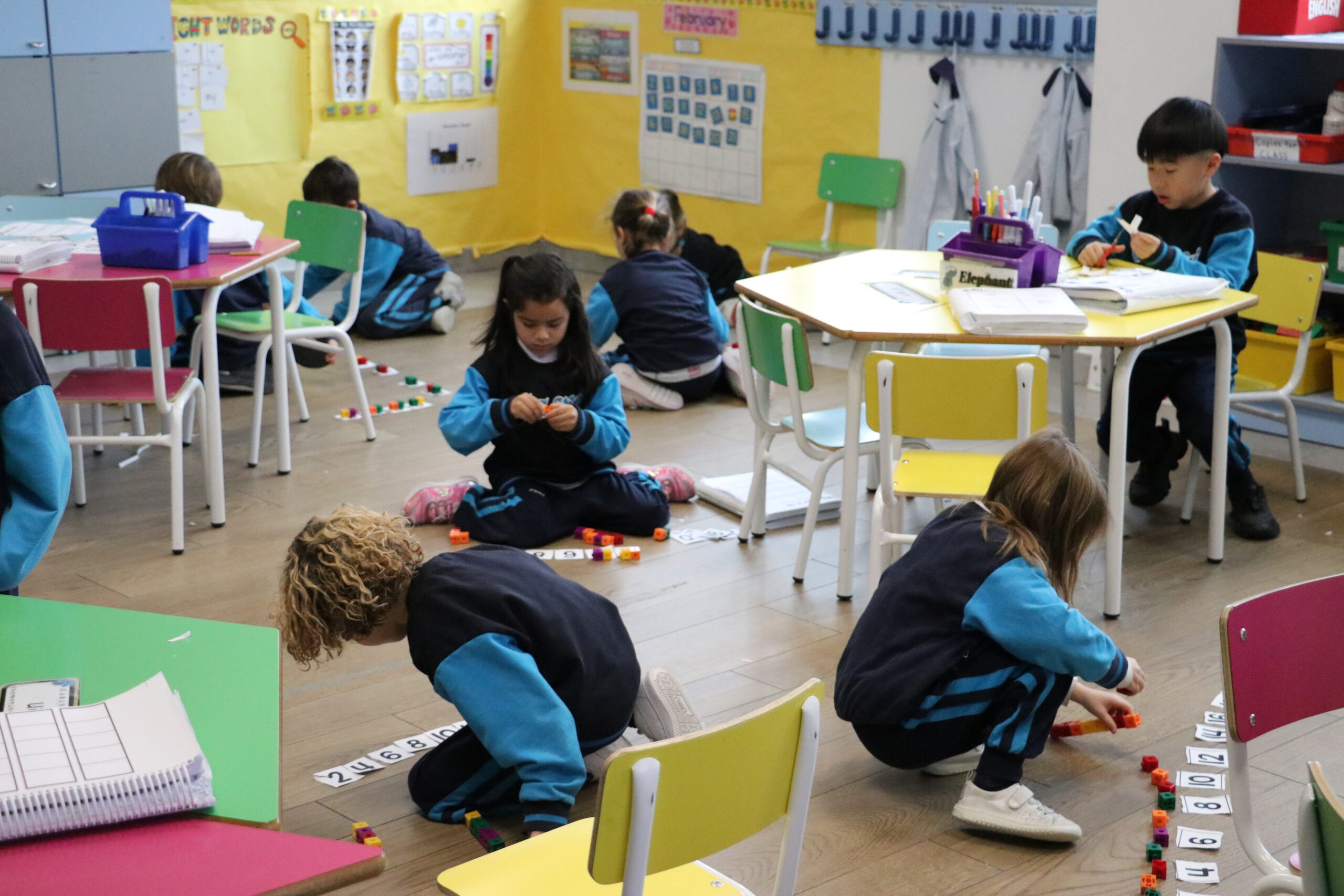
Cognitive development in early childhood is key to children’s growth and learning. During the first years of life, the brain is in a state of constant development, which is why mind-stimulating activities, such as memory games for children, are especially important. How do playful activities influence brain plasticity in children? How can families establish effective routines at home?
Memory games for children are designed to strengthen their ability to remember information. Some of the most common games include card games, puzzles, apps, and interactive games. However, all of them contribute to the development of attention, concentration, and information retention through a fun and motivating environment. These games not only entertain but also provide numerous benefits for cognitive skills, according to OuKids Shop.
Seven benefits of memory games for children
To promote a balanced intellectual development, the incorporation of exercises for memory structured, such as some games, is very effective. Mental training finds an ally in fun.
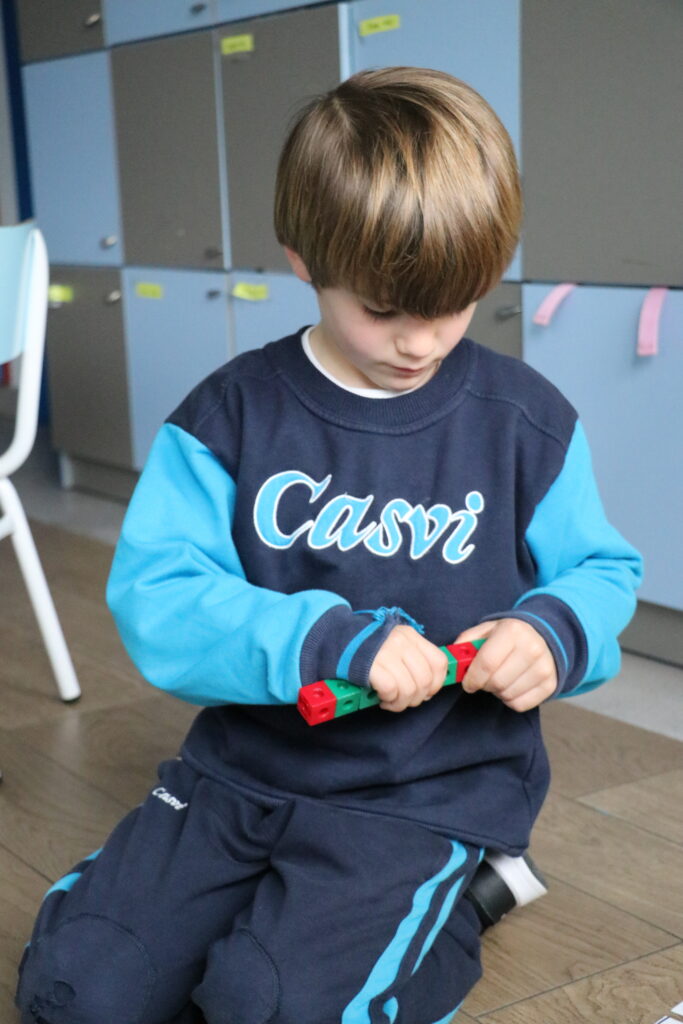
1. Improves concentration and attention. Memory games for children require that the minors pay attention to the details and focus for long periods of time.
2. Encourages the resolution of problems. In these games, it is common for the children to have to think strategically about how to find the right pairs. This process of anticipating and solving problems helps them develop logical thinking.
3. Improves language skills. Many of these games are designed to teach new words or improve vocabulary.
4. It stimulates the retention of information. It helps them remember the information in a way that is more effective. This is due to the fact that, just like in the games, you have to associate images, words, or colors; they train their memory for short-term and long-term retention. This is not only useful for learning new words, but also for developing other skills such as problem-solving of problems.
In that same sense, although these types of games are focused on short-term memory, they also have a positive impact on long-term memory.
5. Boosts self-esteem and confidence. Completing this type of game can be very rewarding for them and, in addition, it builds their self-confidence, since they begin to realize that their efforts are rewarded.
6. It promotes social development, above all, when these games are played in a group. In this regard, they practice and understand that to achieve the game’s objective quickly, they must cooperate while respecting each other’s turn.
Likewise, during these games in groups, the children also learn to cope with frustration when things don’t go the way they expected. In other words, these games also help them develop and learn the skills needed to deal with frustration when things don’t go as they expected, developing emotional and self-control skills.
7. Develops skills in organization and planning. The first thing they have to organize are their thoughts so they can remember which cards or pieces they’ve seen before, working in this way to develop a more structured mindset. On the other hand, when the problem that is in the game, it is more complicated, they practice planning how to tackle it.
How to incorporate memory games for children into your daily routine?
Experts suggest that there are various ways to incorporate these games into a child’s daily routine. The most common are flashcards, which you can customize with the concepts you want your child to learn; interactive apps; traditional board games; or puzzles, which help improve their ability to remember shapes, colors, and patterns. In addition, there are benefits to other activities, such as children’s building sets, to improve their motor skills.
However, the above will not be optimal if other factors such as: are not taken into account:
- Gradually and regularly incorporate these games into your child’s routine. Spending between 10 and 20 minutes each day on these exercises can make a big difference in their cognitive development.
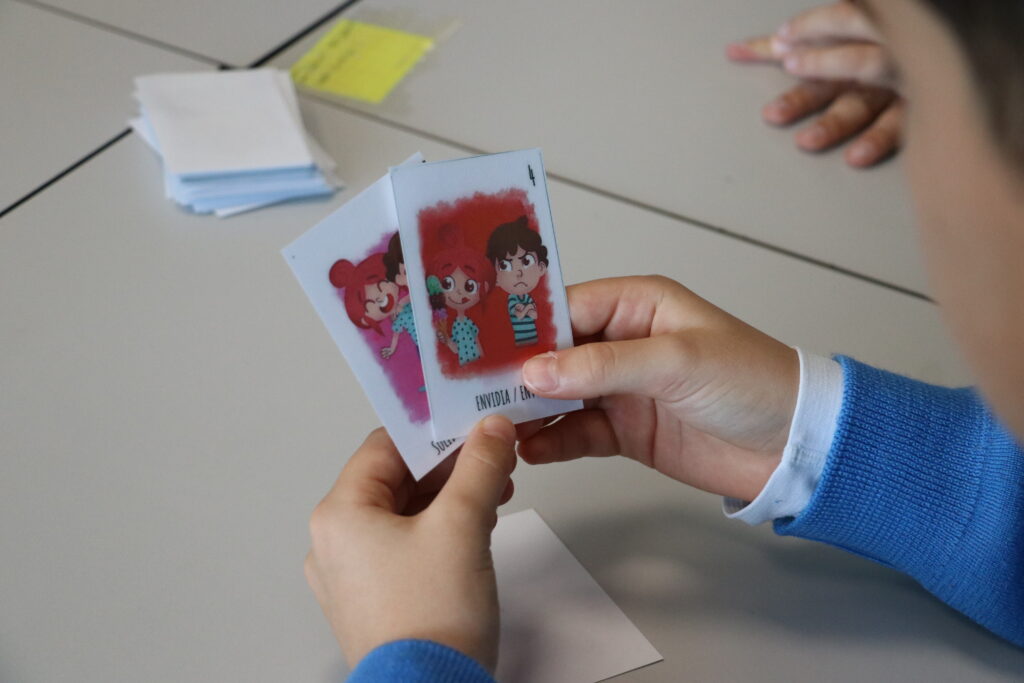
- Make the game enjoyable and fun. That way, you’ll enjoy the process and get much more out of it. This is also something you can achieve by adapting the activities to their interests.
- Increase the difficulty gradually. Overcoming challenges also helps build their self-confidence.
Learn more about our teaching methodology
At Casvi International American School, we incorporate games for memory for children not only from the perspective of learning, but also as an educational tool that enhances concentration, sustained attention, and retention of information, among other skills essential for academic success. That is why they are integrated into the programs of the International Baccalaureate (IB).
If you’d like to learn more about our teaching methodology for early childhood education, you can visit our website or contact us.