
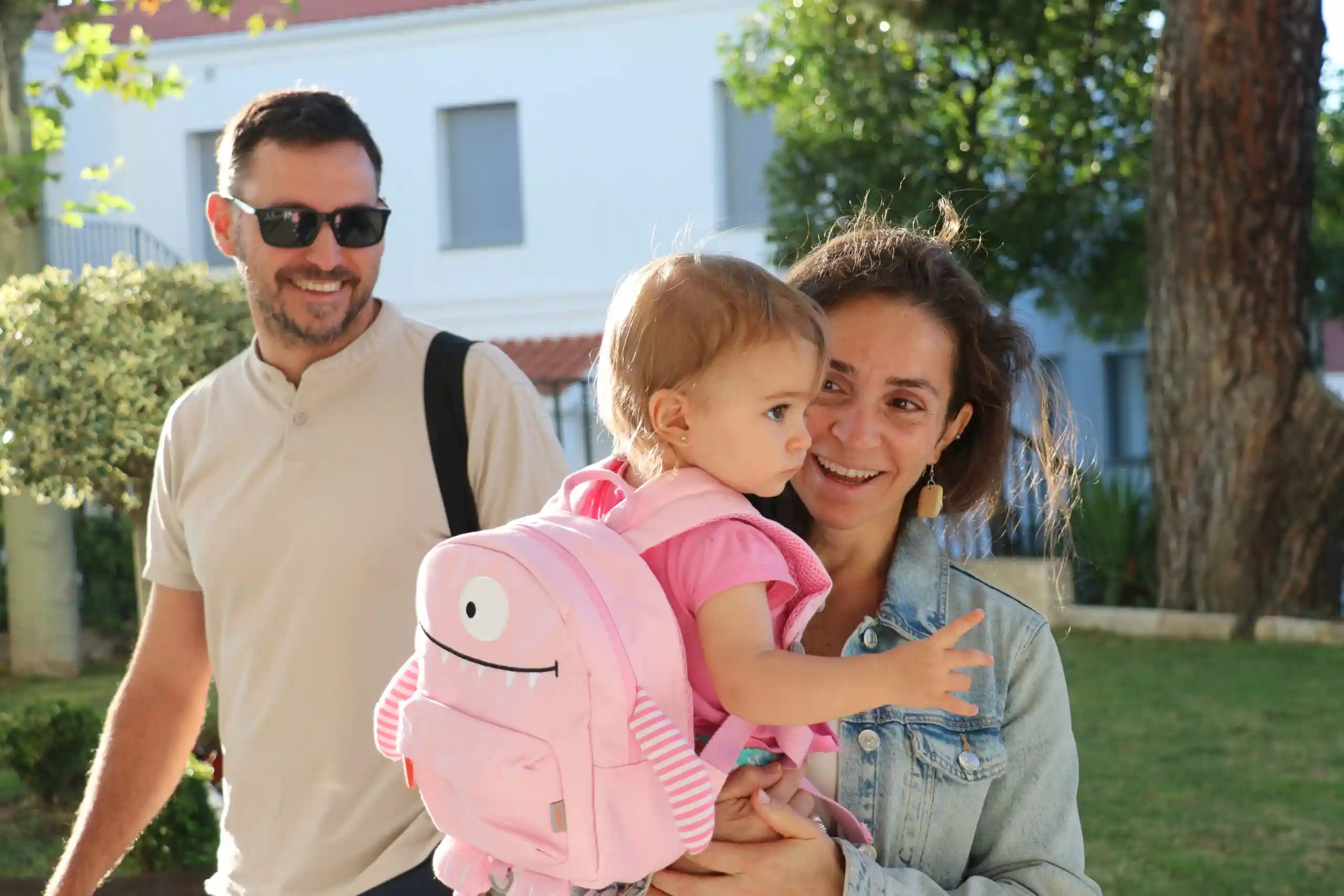
Student education is not limited to the classroom. More and more specialists emphasize that cooperation between home and school is a key element in students’ emotional, social, and academic progress. When both parties work in alignment, a solid foundation is established that supports the child’s progress and reduces the occurrence of disagreements.

First agent of education: the family
The first environment in which children begin to acquire knowledge is the family. From an early age, children are influenced by customs, values, and behaviors that develop at home, which subsequently influence how they approach their education.
These aspects are:
- Emotional support
- Curiosity about what happens at school
- The establishment of routines
- Positive reinforcement
All these factors influence significantly on students’ confidence and motivation. In fact, when families are actively involved, students show a more positive attitude toward learning.
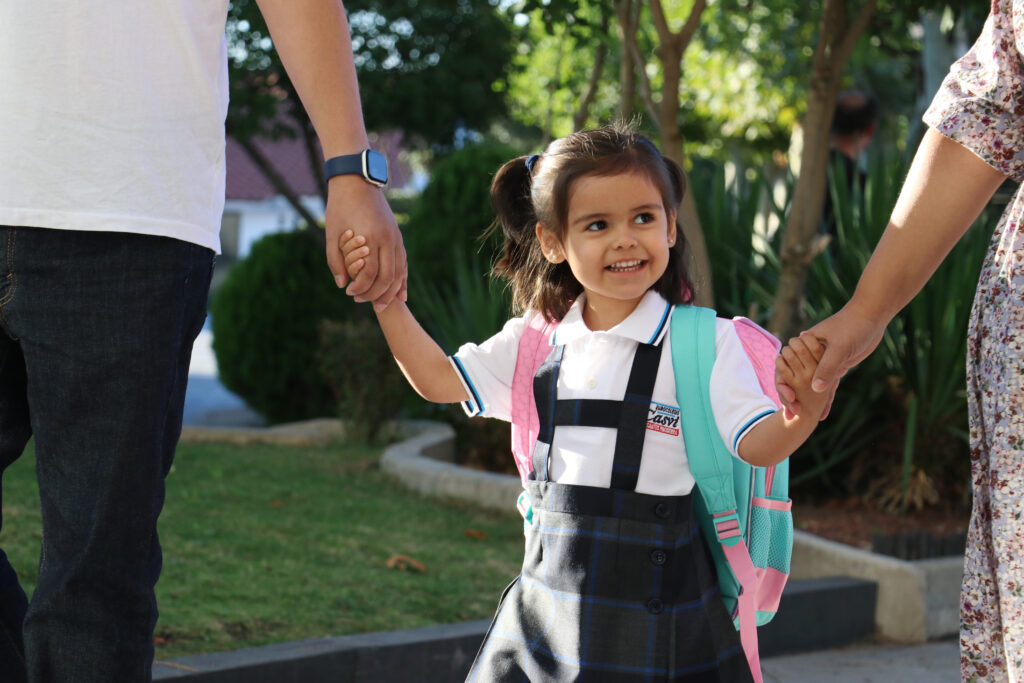
School as an environment for developing and learning
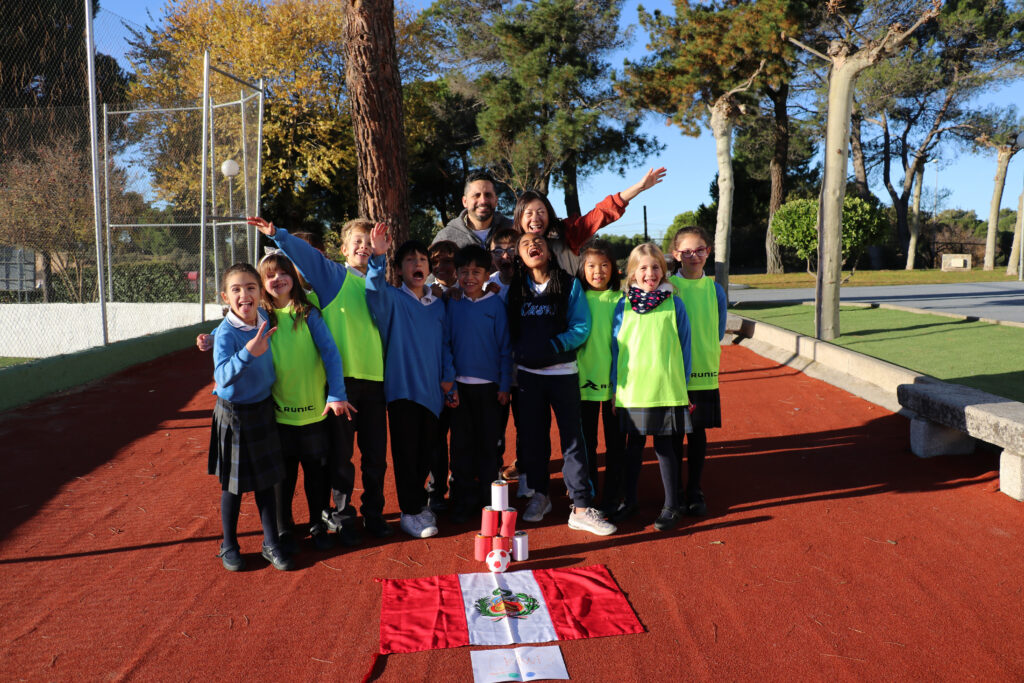
School is not limited to imparting academic knowledge. It is an environment where students learn to live together, work as a team, resolve conflicts, and grow as individuals.
According to the article “The importance of the relationship between families and schools: building a balance for student success,” published on GestionEducativa.net, fluid communication between the two parties allows students to be better supported, given that families and schools exchange information, strategies, and educational objectives.
Advantages of a good relationship between the family and the school
Strong cooperation provides multiple benefits for both students and the educational community as a whole.
- Improved school efficiency: families have the ability to identify problems early on and help with the learning process from home when they are informed and engaged. This enables the school to work in an individualized and preventive manner.
- Greater confidence and motivation: when there is good rapport between teachers and families, and students perceive this, they feel more secure. This feeling of support boosts their self-esteem and encourages greater involvement in learning.
- Problem solving and improved communication: with a fluid relationship, it is easier to communicate any difficulties, which prevents misunderstandings and allows joint solutions to be found that are beneficial to the student.
- Strengthening the educational community: the participation of families in different activities, meetings, or school events fosters a sense of belonging and builds a more united and collaborative community.
The balance between responsabilities
It is crucial to understand that education is a shared responsibility, but not and identical one. Balance is achieved when both parties assume their roles, trust each other, and collaborate rather than demand.

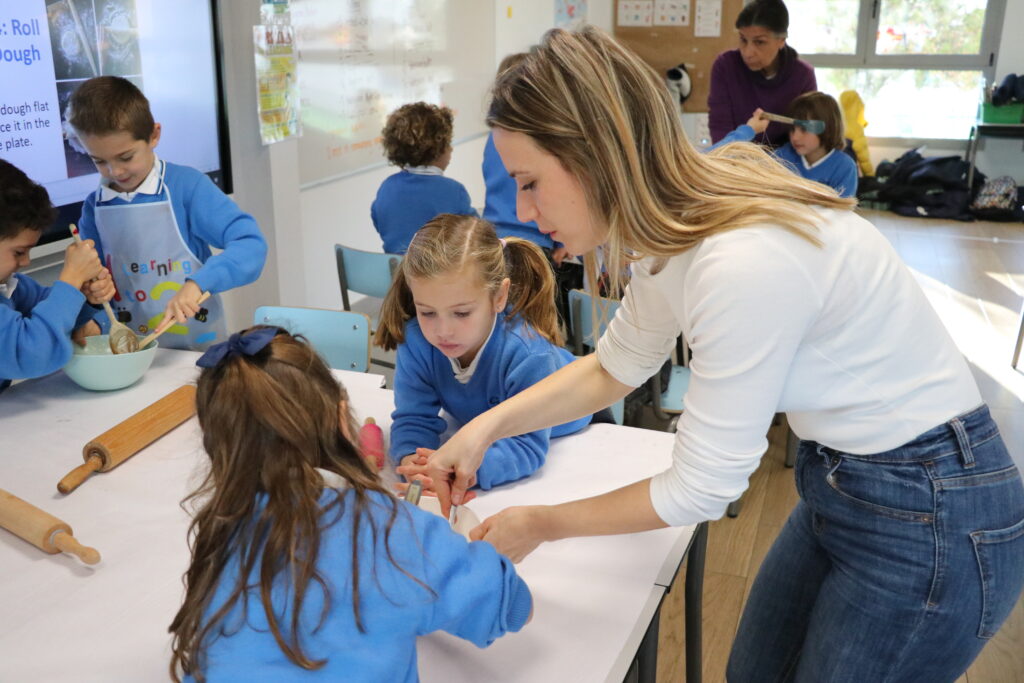
GestionEducativa.net emphasizes in its article that this balance is essential to prevent disputes and ensure that students receive consistent and clear messages in both contexts.
Preparing students for the future
A good relationship between school and family, in addition to academic content, helps children develop essential skills for their future, such as:
- Communication
- Responsibility
- Critical reasoning
- Problem solving
Students who grow up in an environment where they feel supported, both at home and at school, are better prepared to face personal, academic, and professional challenges.
Our Teaching Methodology
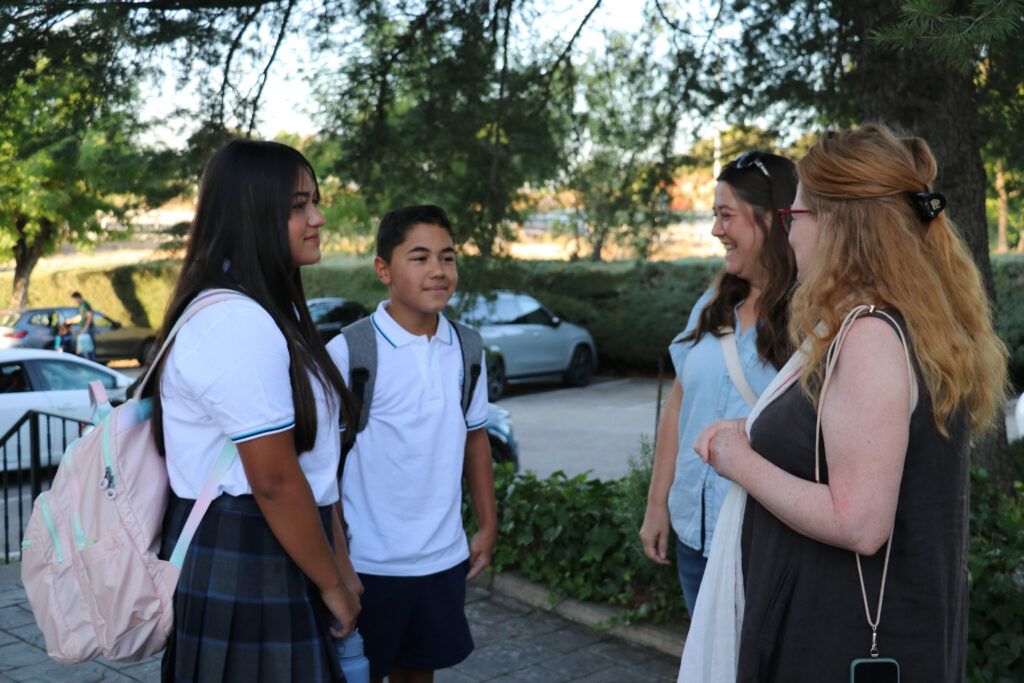
At Casvi International American School, we promote a close and ongoing relationship between both parties, the school and the family, which is based on communication, trust, and active participation in school life. Through meetings, joint activities, and educational events, we work collaboratively to accompany our students at every stage of their academic and personal development, creating a safe and enriching environment.
For more information about our methodology, visit our website or contact us.
Frequently Asked Questions
Why is collaboration between family and school so important?
When both are moving in the same direction, students receive consistent messages, feel more secure, and their motivation increases along with their academic perfomance.
How can families support the educational project at home?
With little gestures: taking interest in what the child has done in class, creating study routines, encouraging reading, and maintaining an open an honest communciation with the school.
What communication channels does Casvi International American School offer to communicate with families?
Face-to-face meetings, individual tutoring sessions, email or digital platforms, as well as events and gatherings in which families can participate actively participate.
How does this partnership help the students emotional well-being?
Students feel supported, understood, and better prepared to face academic and personal challenges, when their families and school trust each other.
What role does the school play in values education?
The school reinforces the values taught at home (respect, responsability, effort, empathy, etc.), integrating them into daily classroom activities, projects, and school life.