
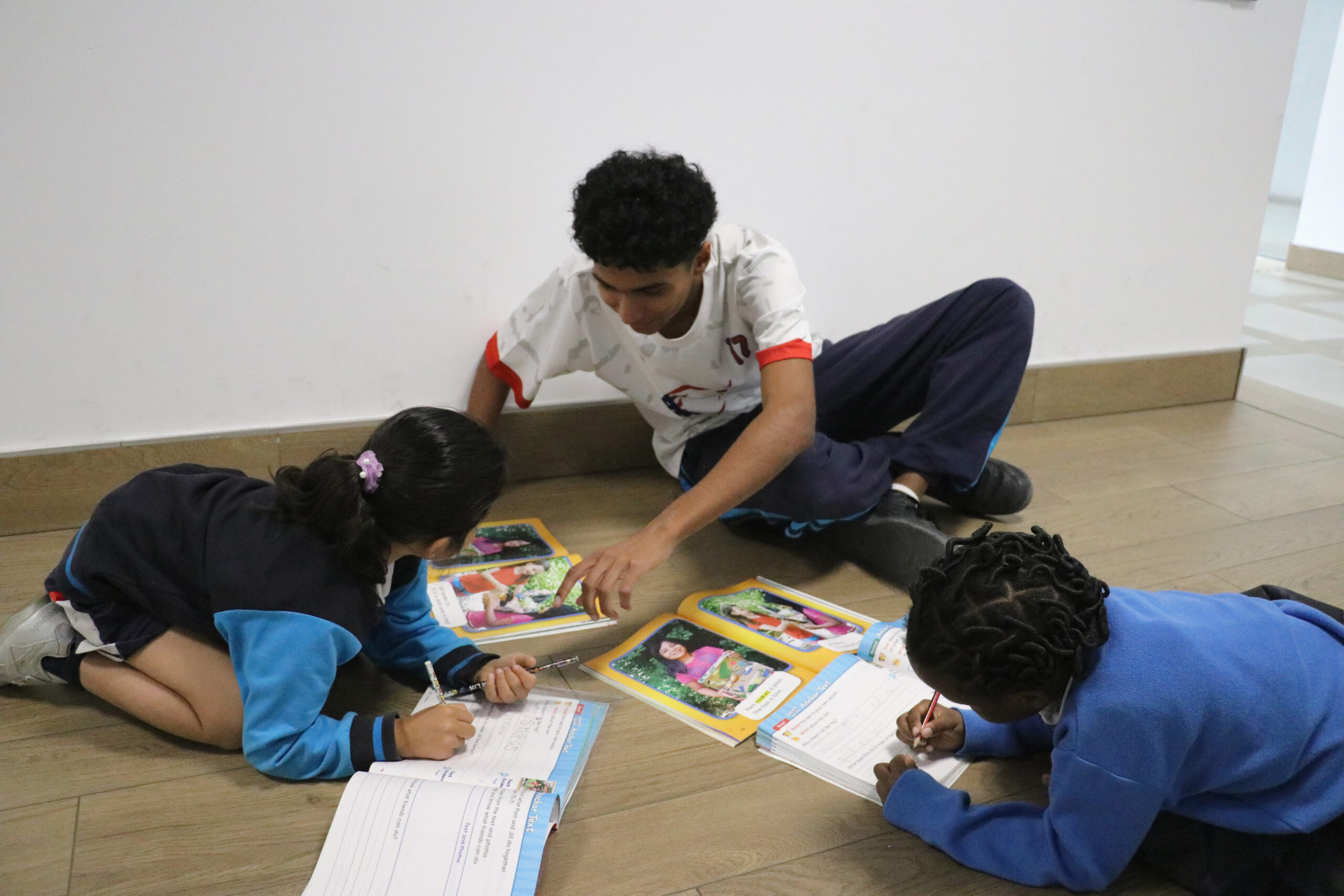
A respectful school environment is key to students’ well-being and participation. But what is this kind of teaching really like, and how does it transform learning in schools?
What does education based on respect mean?
More and more students are expressing that they feel overwhelmed by the pressure and by the constant comparison. The difficulty of maintaining healthy relationships in the classroom and outside of it is a real problem, increasing the likelihood of being subjected to harassment in multiple situations. For this reason, it is very important to create emotionally stable environments for learning.
The main question schools and teachers must ask themselves is: how can we create a space where students feel heard, valued, and protected? The answer points to education based on respect. This approach goes beyond discipline and affects how we teach, interact, and live together within the school.
Respect in relationships directly affects the class
A study by Trinity College Dublin (Banks & Smyth, 2021) has demonstrated that the relationships between between students and teachers directly affect class participation in class, academic performance, or motivation.
Therefore, it is concluded that the lack of respect in the school increases the risk of exclusion and of conflicts. Developing programs for education based on respect for the schools would allow for minimizing these problems, both inside and outside the school, to help understand social norms.
How is this type of learning implemented?
Respect-based education places active listening and recognition at the heart of school life. It is not just about “behaving well,” but about understanding why we must do so and learning to interact with empathy, fairness, and understanding.
This approach is based on two pillars:
The school atmosphere
Emotional intelligence
Mutual respect
The ethics of coexistence
Students learn best when they feel that adults respect them. It is not just about teaching them to be disciplined and considerate of others, but also ensuring that they are treated with the same respect.
A study in the Journal of Leadership Education (Thompson, 2021) shows that students value respect through being listened to and that there is a correlation between feeling recognized and participating more.
The research mentioned above also discusses the pedagogies of respect, which include the ethics of care and the validation of feelings. In addition, it mentions the importance of positive discipline, without severe punishments, social-emotional learning to identify emotions, and the restorative approaches that will help them reach agreements.
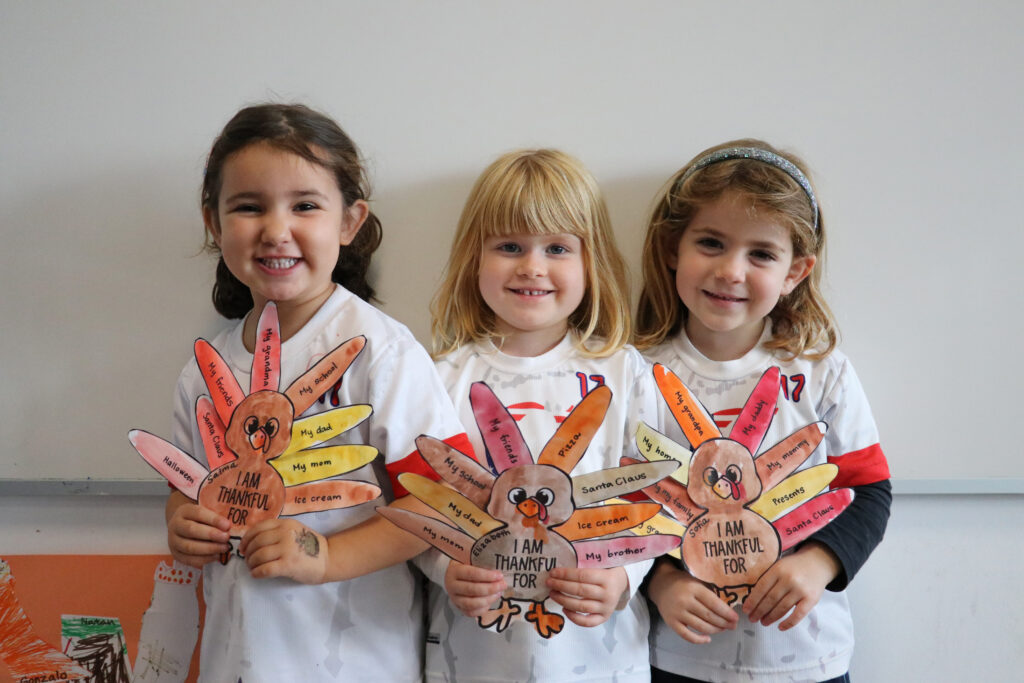
Casvi Tres Cantos promotes education based on respect
At Casvi International American School Tres Cantos, an education based on respect is our day-to-day life. In the PYP, the children learn to express emotions and resolve small conflicts with words. In MYP, they work on empathy through collaborative projects and guided reflection. In DP, they develop critical thinking and intercultural understanding, respecting perspectives different from their own.
Our IB approach ensures that every student feels heard, valued, and supported, building relationships based on trust and responsibility. For Casvi, an education grounded in respect is the foundation of a strong community in an increasingly globalized world, one that will foster conscious and empathetic citizens.
We observe the education in values and the attitude of respect in various actions, such as active listening, the turns of speech or the resolution of conflicts.
Frequently Asked Questions
What is education based on respect in a school?
It is an approach to education that promotes active listening, empathy and positive coexistence, creating a safe and healthy school environment for learning.
What benefits does education based on respect offer to students?
It improves emotional well-being, boosts motivation, reduces conflicts, and enhances academic performance thanks to a more stable and safe school environment.
Why is education based on respect important during the school years?
Students develop key social skills during this time. They form their identity and learn to interact within a community, with a focus on respect.
How does Casvi Tres Cantos implement an education based on respect?
Through the ongoing IB program, which promotes inquiry, empathy, and critical thinking, incorporating practices that are respectful and adapted to each stage (PYP, MYP and DP).